

Why Snail Mucin Is Becoming A Viral Skincare Phenomenon AGAIN
As intriguing as it sounds, Snail skincare has garnered a following for its supposed benefits in rejuvenating and healing the skin. But amidst the buzz and the trend-setting hashtags, one does wonder if snail skincare really works.
Long before snail skincare took over Instagram feeds and beauty blogs, it had been a secret ingredient in the wellness routines of many cultures. The use of snail mucus for skin benefits can be traced back to ancient Greece, where it was applied for its anti-inflammatory properties.
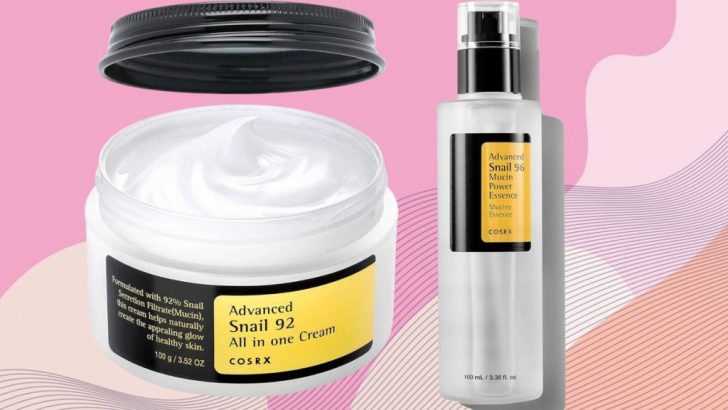
Health News / Before the rise of social media, snail mucin was widely used to repair damaged skin in ancient Greece.
Fast forward to the 1980s, when Chilean farmers harvesting snails for the French culinary market discovered the accidental skincare benefits of snail mucus, including softer hands and accelerated healing of cuts. This discovery led to the popularization of snail mucus in beauty products across South America, laying the groundwork for the global phenomenon it has become today.
In 2022, the snail skincare market was valued at an impressive $555 million globally, with North America emerging as the fastest-growing market. This boom in popularity can be largely attributed to the explosion of K-beauty trends worldwide, with South Korea pioneering the snail mucus skincare movement.
What Does Snail Mucus Do?
Snail mucus, also known as snail secretion filtrate, is packed with a cocktail of beneficial ingredients for the skin. It is rich in hyaluronic acid, glycoprotein enzymes, antimicrobial and copper peptides, and proteoglycans.
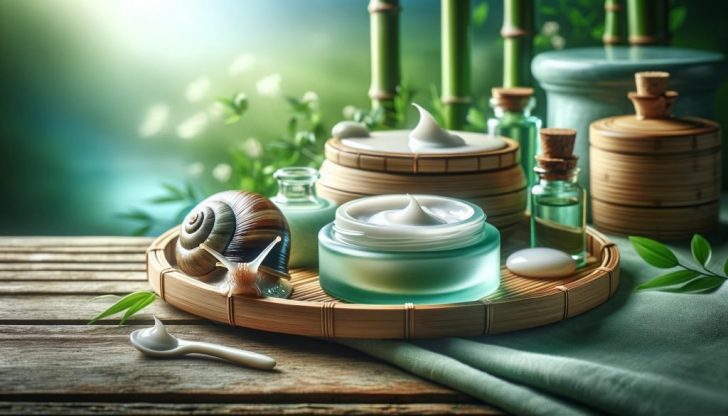
FrontStory / Since it is rich in hyaluronic acid, Snail mucin helps treat damaged skin.
These components contribute to its moisturizing, anti-aging, and healing properties. Snail mucus is commonly found in a variety of skincare products, from serums and creams to masks and more, each promising to deliver smoother, more radiant skin.
The Science Behind Snail Skincare
The science supporting snail skincare’s effectiveness is based on its unique composition. Hyaluronic acid, a key component of snail mucus, is a powerful humectant that helps retain moisture in the skin, leading to hydration and plumping effects. The antimicrobial properties of snail mucus can help cleanse the skin and reduce the likelihood of acne.
Plus, peptides found in snail mucus promote collagen production, which is essential for skin elasticity and can help reduce the appearance of wrinkles and fine lines.
Does Snail Skincare Really Work?
Given its composition, snail mucus does have a basis for its skincare claims, particularly in hydration, anti-aging, and repair. Many users report noticeable improvements in their skin’s texture, appearance, and overall health after incorporating snail mucus products into their routines.
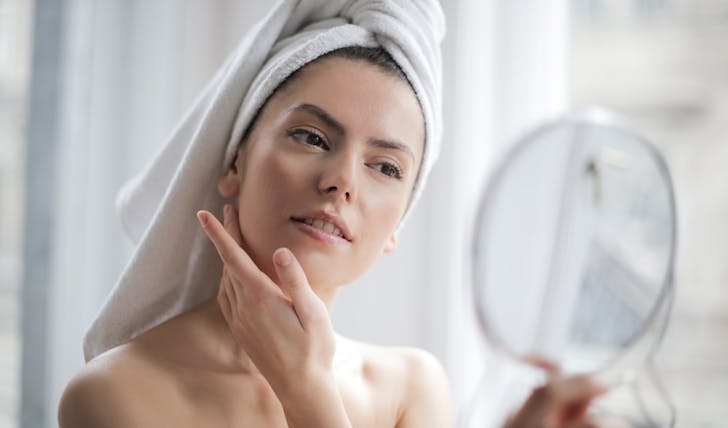
Andrea / Pexels / Snail skincare has turned out to be an elixir for hydration, skin repair, and anti-aging for centuries.
However, it is important to note that individual results can vary based on skin type, existing conditions, and how the snail mucus is formulated within products.
Snail Mucus for Skin Repair
Beyond its cosmetic applications, snail mucus has shown promise in more medicinal contexts, particularly in healing and repairing damaged skin. Its regenerative properties have been noted in studies and anecdotal evidence, suggesting potential uses in treating scars, cuts, and burns. This aspect of snail mucus goes beyond superficial beauty benefits. It taps into a deeper level of skincare that aligns with its historical uses for skin health and recovery.
So, as snail skincare continues to captivate the beauty industry, it is essential for consumers to approach this trend with mindfulness. Sure! The benefits of snail mucus are backed by both history and science. Butt is crucial to source products from reputable brands that ensure ethical treatment of snails and quality extraction of mucus.
More inBeauty & Cosmetics
-
`
 Are Popular Diet Trends Actually Good for Your Heart?
Diet trends grab headlines every year, promising everything from glowing skin to dramatic weight loss. But when it comes to the...
July 30, 2025 -
`
 Why Are Men Taller Than Women? New Genetic Study Finds Clue
For centuries, the average height difference between men and women has been noticeable—men generally stand about five inches taller. While environment...
July 23, 2025 -
`
 How Upcycled Beauty Ingredients Are Reshaping the Industry’s Future
The beauty industry is going through a big shift — and it’s not just about trends. As waste problems grow and...
July 17, 2025 -
`
 A Look Inside Faith Kipyegon’s Groundbreaking Mile Run in Paris
Last week in Paris, Faith Kipyegon returned to a place she knows well: Stade Sébastien Charléty. But this time, she wasn’t...
July 9, 2025 -
`
 Dairy Is Making a Major Comeback — And Health Shoppers Are Loving It
Just a few years ago, dairy sat quietly in the back seat while plant-based alternatives took the spotlight. Now, it’s stepping...
July 4, 2025 -
`
 Does Aging Cause Dental Problems?
Aging doesn’t automatically mean losing teeth or developing gum disease. In fact, older adults today are holding onto more of their...
June 25, 2025 -
`
 How Upcycled Ingredients Are Shaping the Future of Cosmetics
What used to end up in bins or compost heaps is now finding a new life inside skincare bottles and beauty...
June 18, 2025 -
`
 Rock Legend Rod Stewart Trains to Break Sprint Record at 80
Age isn’t slowing Rod Stewart down. Known worldwide for his legendary voice, stadium-filling tours, and timeless hits like “Maggie May”, the...
June 11, 2025 -
`
 The Truth Behind Detox Diets – Health Boost or Risky Trend?
It’s hard to scroll through your feed without seeing someone sipping green juice with promises of instant energy, glowing skin, and...
June 3, 2025
More From Doctor Report
-
 How Denise Austin Recreated Her Iconic 1994 Workout Look
Fitness icon Denise Austin continues to inspire with her youthful energy and dedication to healthy living, even decades after rising to...
FitnessDecember 17, 2025 -
 Polyphenol-Rich Diets Linked to Lower Long-Term Risk of Heart Disease
Many everyday foods offer more support for the heart than most people realize. Items like tea, coffee, berries, cocoa, nuts, whole...
Healthy TrendsDecember 11, 2025 -
 How Saffron Helps With Depression and Sexual Function
Saffron has long been recognized for its vibrant color and distinctive flavor, yet research continues to reveal another surprising benefit: its...
MedicareDecember 4, 2025 -
 Kate Hudson and Jennifer Aniston’s Approach to Practical Wellness
Scrolling through Instagram today can feel overwhelming, especially for those interested in health and wellness. Celebrity routines, supplement regimens, and wellness...
Beauty & CosmeticsNovember 27, 2025 -
 Why Fitness Matters More Than Weight, According to Experts
Many people across the United States focus on dieting, reducing body size, and chasing a number on the scale. That obsession...
FitnessNovember 19, 2025
You must be logged in to post a comment Login