

Polyphenol-Rich Diets Linked to Lower Long-Term Risk of Heart Disease
Many everyday foods offer more support for the heart than most people realize. Items like tea, coffee, berries, cocoa, nuts, whole grains, and olive oil carry natural plant compounds called polyphenols. A new study from King’s College London shows that people who eat these foods often may face a lower risk of heart disease over time.
Researchers followed more than 3,100 adults from the TwinsUK cohort for over ten years. They reviewed eating habits, health markers, and long-term changes in cardiovascular risk. People who stayed consistent with polyphenol-rich diets showed lower predicted cardiovascular disease (CVD) scores. Their blood pressure and cholesterol levels also looked healthier during the study period.
Polyphenols are known for supporting heart, brain, and gut health. This research adds deeper insight. Instead of looking at one food at a time, the study focused on long-term eating patterns. That approach helped show how small, steady habits shape health as people age.
What the Study Found
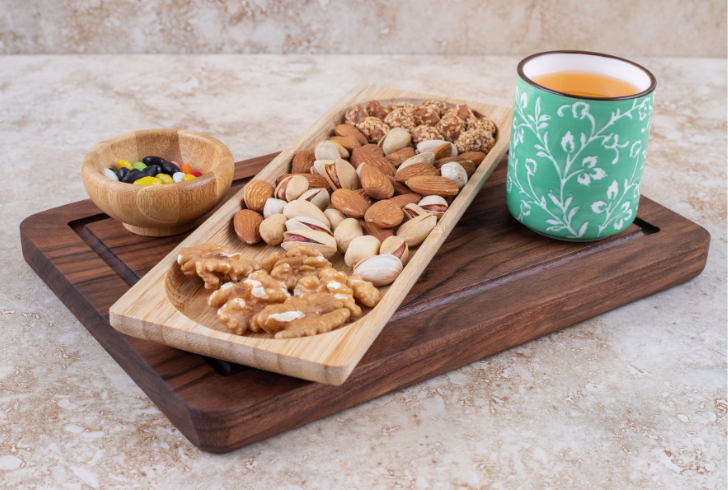
Freepik | Eating common foods like tea, cocoa, and nuts often may reduce heart disease risk.
The team also studied many urine metabolites. These markers form when the body breaks down polyphenols. Higher levels of metabolites linked to flavonoids and phenolic acids matched lower cardiovascular risk scores. Participants with more of these markers also showed higher HDL cholesterol. HDL is often called “good” cholesterol because it supports healthier lipid balance.
To measure intake, the researchers created a Polyphenol Dietary Score (PPS). It included 20 foods commonly eaten in the U.K., such as:
1. Tea and coffee
2. Berries
3. Nuts
4. Whole grains
5. Cocoa and olive oil
The PPS showed stronger links to heart health than broad estimates of total polyphenol intake. This suggests that looking at an overall diet may be more accurate than studying single nutrients. It also points to the value of foods working together rather than acting alone.
Insights From the Research Team

Freepik | Consuming polyphenol-rich foods like berries/nuts daily helps slow rising heart risk with age.
Professor Ana Rodriguez-Mateos, senior author and Professor of Human Nutrition at King’s College London, explained that long-term habits can slow the rise in heart risk as people age. She noted that small daily shifts—like adding berries, whole grains, nuts, tea, or coffee—may support the heart over time.
Dr. Yong Li, the study’s first author, pointed out that polyphenol-rich foods are easy to find and simple to add to meals. He described this approach as a practical way for most people to support cardiovascular health.
Why It Matters
Heart disease risk tends to rise with age. Yet participants with higher polyphenol intake showed a slower increase in risk across the 11-year follow-up. The research team encourages future studies to confirm these links and explore ways to use diet for long-term heart support.
These findings show that steady, everyday food choices can help support heart health. Adding more polyphenol-rich items—such as tea, berries, nuts, or whole grains—may offer long-lasting benefits. Consistency appears to be the key, and even small changes can make a meaningful difference over time.
More inHealthy Trends
-
`
 Why Are Men Taller Than Women? New Genetic Study Finds Clue
For centuries, the average height difference between men and women has been noticeable—men generally stand about five inches taller. While environment...
July 23, 2025 -
`
 How Upcycled Beauty Ingredients Are Reshaping the Industry’s Future
The beauty industry is going through a big shift — and it’s not just about trends. As waste problems grow and...
July 17, 2025 -
`
 A Look Inside Faith Kipyegon’s Groundbreaking Mile Run in Paris
Last week in Paris, Faith Kipyegon returned to a place she knows well: Stade Sébastien Charléty. But this time, she wasn’t...
July 9, 2025 -
`
 Dairy Is Making a Major Comeback — And Health Shoppers Are Loving It
Just a few years ago, dairy sat quietly in the back seat while plant-based alternatives took the spotlight. Now, it’s stepping...
July 4, 2025 -
`
 Does Aging Cause Dental Problems?
Aging doesn’t automatically mean losing teeth or developing gum disease. In fact, older adults today are holding onto more of their...
June 25, 2025 -
`
 How Upcycled Ingredients Are Shaping the Future of Cosmetics
What used to end up in bins or compost heaps is now finding a new life inside skincare bottles and beauty...
June 18, 2025 -
`
 Rock Legend Rod Stewart Trains to Break Sprint Record at 80
Age isn’t slowing Rod Stewart down. Known worldwide for his legendary voice, stadium-filling tours, and timeless hits like “Maggie May”, the...
June 11, 2025 -
`
 The Truth Behind Detox Diets – Health Boost or Risky Trend?
It’s hard to scroll through your feed without seeing someone sipping green juice with promises of instant energy, glowing skin, and...
June 3, 2025 -
`
 Is Dr. Oz Fit to Lead Medicare?
The announcement of Dr. Mehmet Oz as President-elect Donald Trump’s pick to lead the Centers for Medicare and Medicaid Services (CMS)...
May 29, 2025
More From Doctor Report
-
 How Denise Austin Recreated Her Iconic 1994 Workout Look
Fitness icon Denise Austin continues to inspire with her youthful energy and dedication to healthy living, even decades after rising to...
FitnessDecember 17, 2025 -
 Polyphenol-Rich Diets Linked to Lower Long-Term Risk of Heart Disease
Many everyday foods offer more support for the heart than most people realize. Items like tea, coffee, berries, cocoa, nuts, whole...
Healthy TrendsDecember 11, 2025 -
 How Saffron Helps With Depression and Sexual Function
Saffron has long been recognized for its vibrant color and distinctive flavor, yet research continues to reveal another surprising benefit: its...
MedicareDecember 4, 2025 -
 Kate Hudson and Jennifer Aniston’s Approach to Practical Wellness
Scrolling through Instagram today can feel overwhelming, especially for those interested in health and wellness. Celebrity routines, supplement regimens, and wellness...
Beauty & CosmeticsNovember 27, 2025 -
 Why Fitness Matters More Than Weight, According to Experts
Many people across the United States focus on dieting, reducing body size, and chasing a number on the scale. That obsession...
FitnessNovember 19, 2025
You must be logged in to post a comment Login